
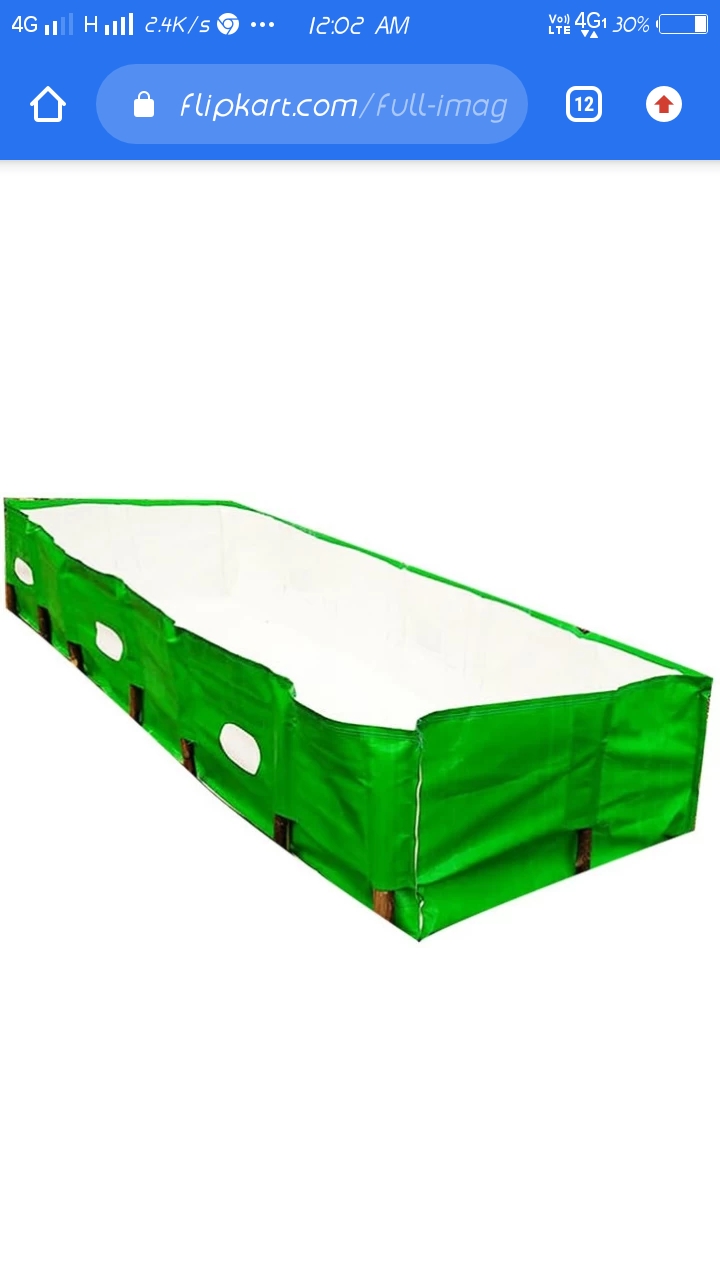
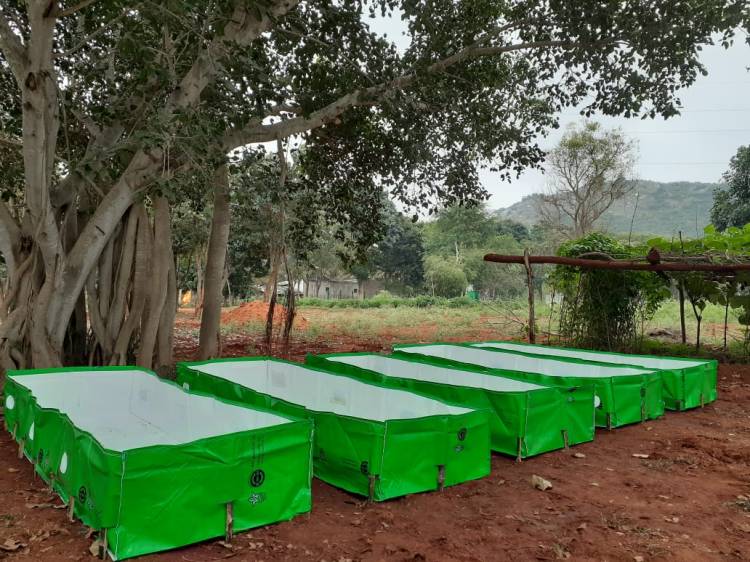
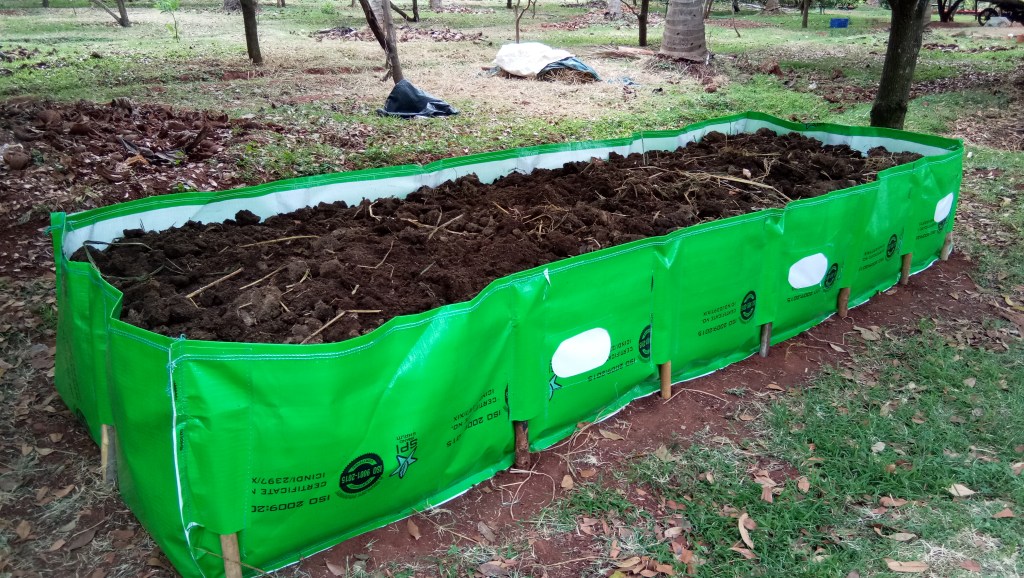
HDPE VERMI COMPOST BEDS
Convert Organic waste into High, Quality Organic Manure (Bio- Fertilizer) by using Vermi Unit.
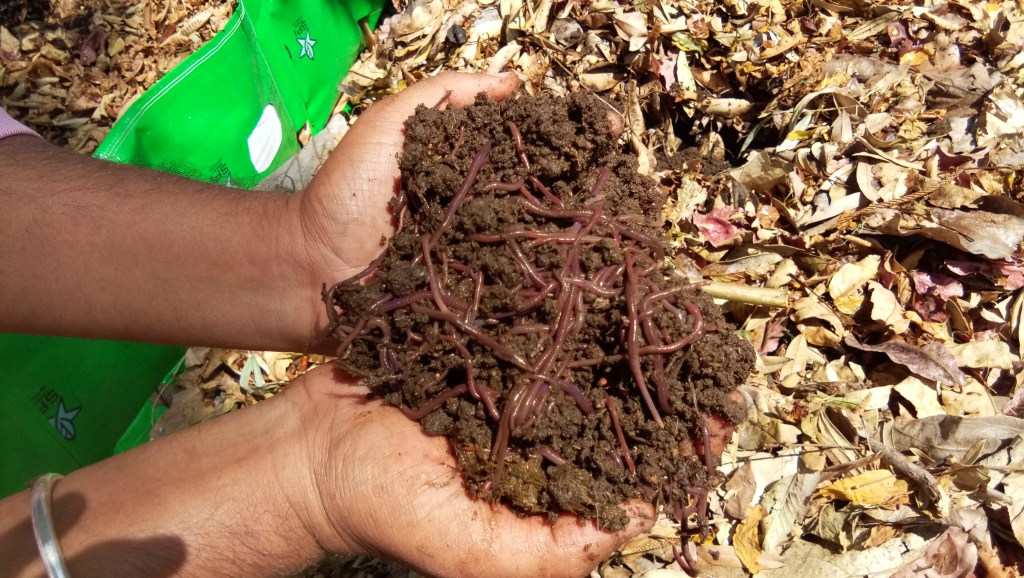
“Vermicomposting is a process in which the earthworms convert the organic waste into manure rich in high nutritional content.”
Vermi compost is a 100% organic manure which is made by a natural process in which earth worms consume varius types of organic waste agricultural waste, Animal dung, Forestry waste, dried leaves ,Bio-Gas slurry ,waste paper, Cotton Cloth, City Garbage, Kitchen waste and industrial wastes of like Biological nature etc., and convert them into high quality organic manure.
The nutrients profile of vermicomposts are:
- 1.6 per cent of Nitrogen.
- 0.7 per cent of Phosphorus.
- 0.8 per cent of Potassium.
- 0.5 per cent of Calcium.
- 0.2 per cent of Magnesium.
- 175 ppm of Iron.
- 96.5 ppm of Manganese.
- 24.5 ppm of Zinc.
Of about 350 species of earth worms in India with various food and borrowing habits Eudarilus Eugniae, Eisenia Fetida, Perionyx Excavatius are some of the species for raring to convert organic waste into high quality organic manure.

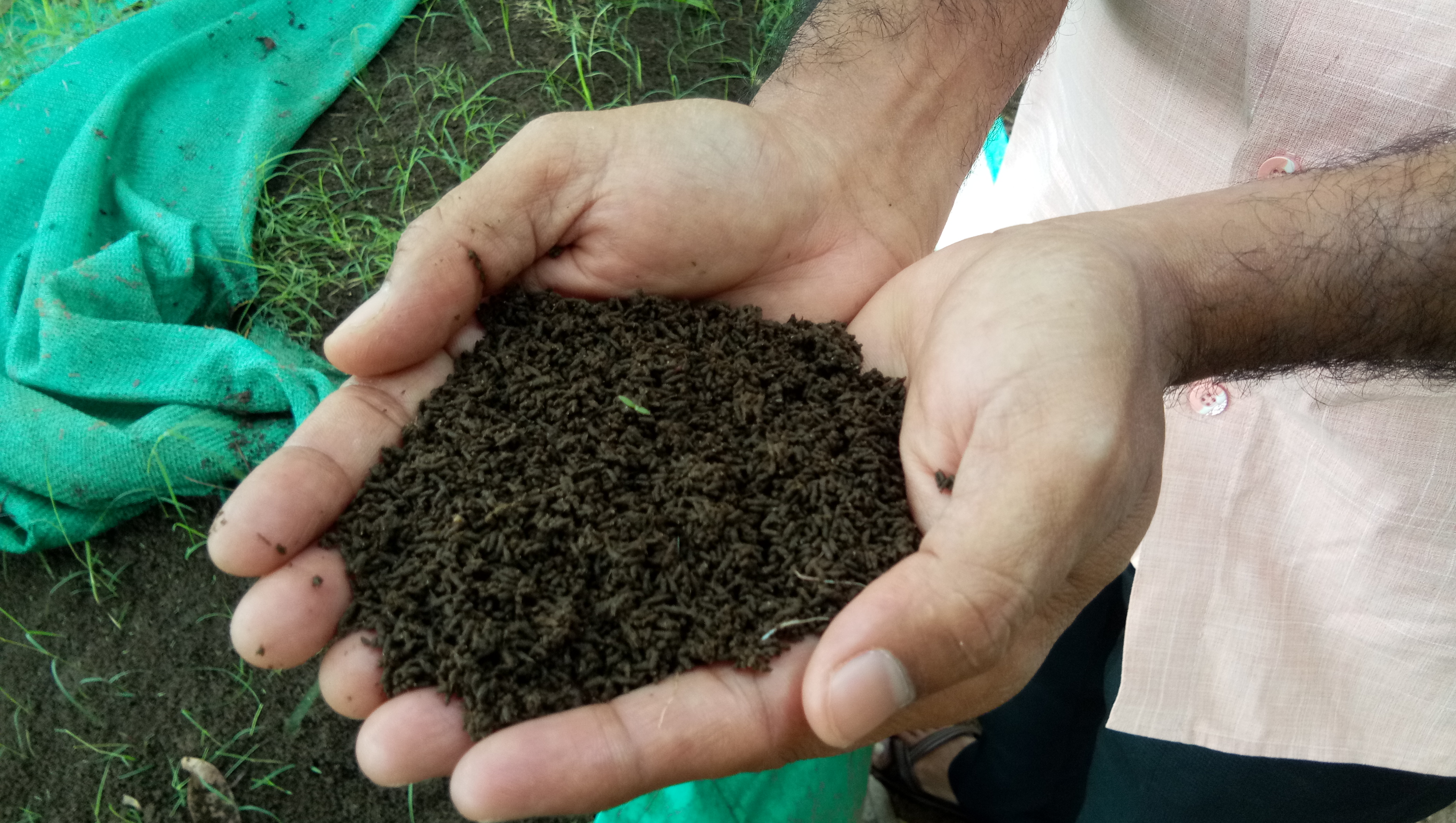
ORGANIC MANURE
True Organics
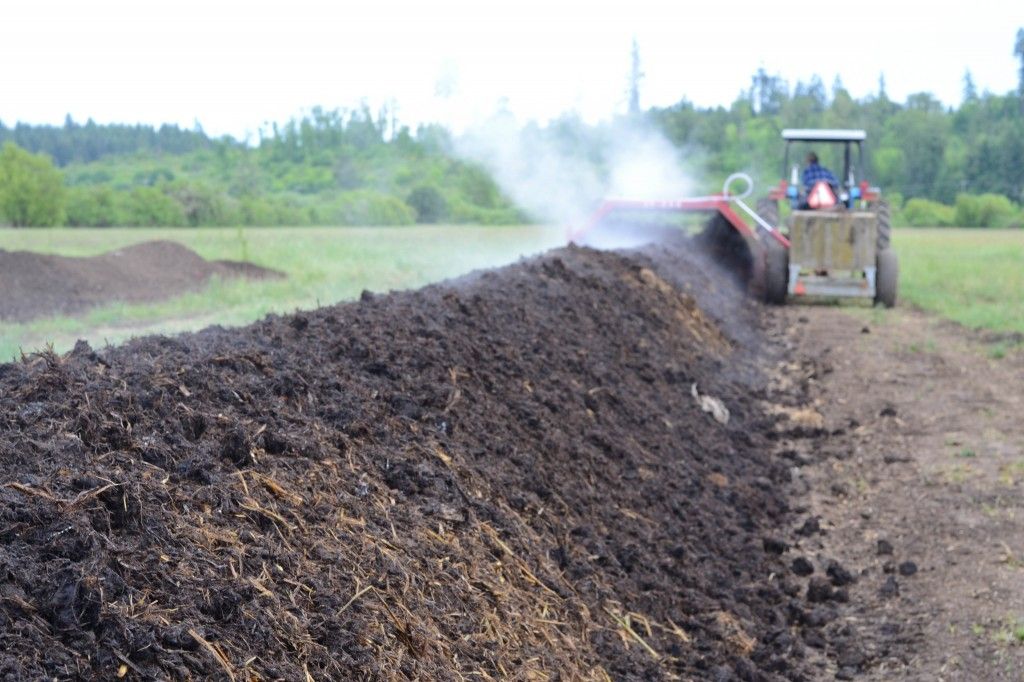
Large quantity of fresh crop residues, on application directly to soil, causes extremely severe nitrogen immobilization and development of excessive reduced condition in the soil. To overcome such problems organic residues are piled up, moistened, turned occasionally to aerate and allowed adequate time to decompose partially and bring down the carbon nitrogen ratio to about 30. This process is called composting. Compost, is utilized for improving or maintaining soil fertility. The collected organic refuse may be of rural and urban origin and may include straw, leaves, paddy husk, ground nut husk, sugarcane trash, bagasse, cattle dung, urine, crop residues, city garbage, night soil, sewage, kitchen and vegetable wastes, hedge clippings, water hyacinth and all other residues counting organic matter. During composting under thermophilic and mesophilic conditions in windrows, heaps or pits adequate moisture and aeration are essential. The final product is brown to black colored humified material which on addition to soil replenishes plant nutrients, maintains soil organic matter content and helps in improving the physical, chemical and biological conditions of the soil.
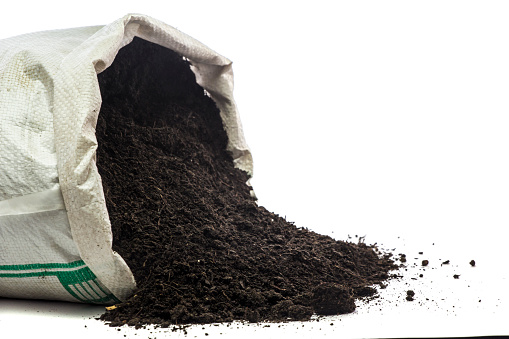
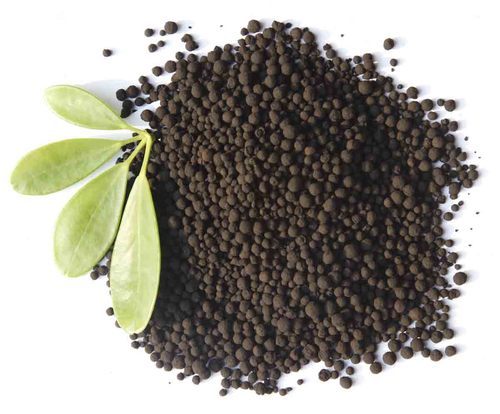
Organic manure in the sack 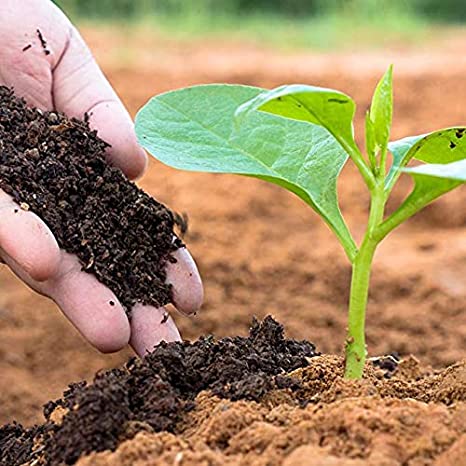
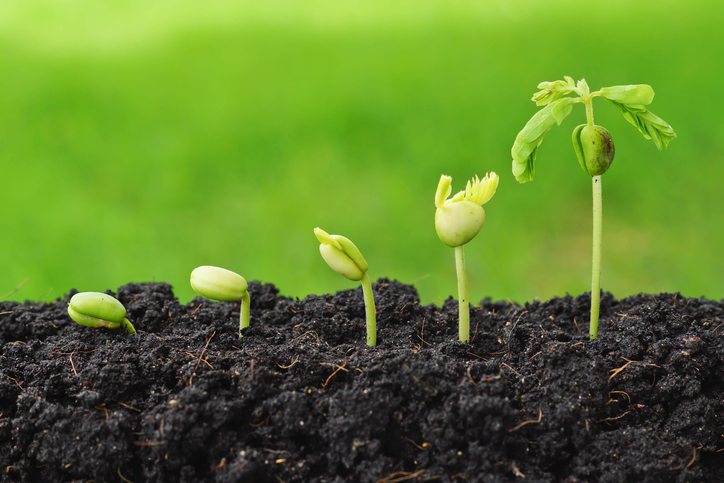
MICRO NUTRIENTS
for soil application
Micro nutrient is a product that helps in the overall development of the crop by acting as a chelating agent in the reactions that take place in the plant systems.. Apart from the major and macro nutrients, for the optimal plants growth micro nutrients play a vital role. Zinc, Ferrous, Manganese, Boron are some of those nutrients that when applied in smaller quantities improve the quality and the overall development of the crop and yield.ps or pits adequate moisture and aeration are essential. The final product is brown to black colored humified material which on addition to soil replenishes plant nutrients, maintains soil organic matter content and helps in improving the physical, chemical and biological conditions of the soil.
Advantages :
- It increases profuse fine root activity
- It promotes uptakes of Macro and Micro nutrients.
- Improves soil microbal activity.
- If promotes enzymes activity by acting as a natural stimulant.
- Stimulates protein synthesis as it contain Amino acids which are building blocks of proteins
- Helps in branching Foliage, flower and fruits setting and reduces flower and crop drop
- Improves the efficiency of the pesticides and fungicides with synergism.
- It improves the size, weight, yield, colour, and quality of the crops.
- Advances maturity and increses the keeping quality.
- Provides drought resistance.
- There by it increases yield to a significant extent.
 TRUE AGROTECH